AI Tools for Solopreneurs: Run a One-Person Business Without Burning Out

There are 29.8 million solopreneurs in the United States. They generate $1.7 trillion in revenue and make up 81.9% of all small businesses, according to Founder Reports' 2026 analysis. And 45% of them are burning out.
Not because they're bad at what they do. Because being a solopreneur means you're the CEO, the accountant, the sales rep, the customer service team, and the marketing department. All of you. All day. Every day.
AI tools for solopreneurs aren't going to replace your expertise. But they can replace the 10-15 hours a week you're losing to admin work that doesn't generate a single dollar.
Where Does All Your Time Actually Go?
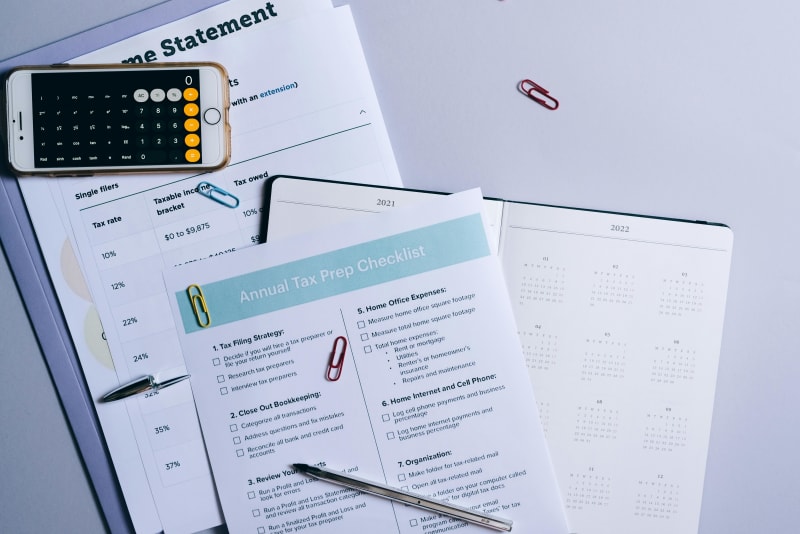
Here's the thing nobody tells you before you go solo: roughly 21% of your working time goes to non-billable administrative tasks, according to Gitnux's 2025 solopreneur data. That's emails, invoicing, bookkeeping, chasing reviews, formatting proposals, and updating spreadsheets.
If you're working the average solopreneur's 46-hour week, that's almost 10 hours of unpaid work. Every week.
SCORE reports small business owners spend over 20 hours per month on financial tasks alone, equivalent to 25% of a standard work week. And 40% of small business owners say bookkeeping and taxes are the worst part of owning a business, according to a PR Newswire/SCORE survey.
The top performers maintain 75-85% billable ratios. Most solopreneurs hover around 60%. That gap? It's the difference between a $50,000 year and a $90,000 year doing the same work.
So the question isn't whether AI tools are worth it. It's which ones actually move the needle.
The Bookkeeping Time Sink (And How to Fix It)
Let's start with the one that makes every solopreneur groan. Bookkeeping.
65% of solopreneurs handle their own bookkeeping, according to Gitnux. Most lose 10-20 hours a month to it. Some lose more. A 2024 QuickBooks study found 72% of small businesses spend over 10 hours monthly on bookkeeping tasks, and most spend over 41 hours per year on tax preparation alone.
The AI bookkeeping tools that actually work for solo operators:
| Tool | Monthly Cost | What It Does |
|---|---|---|
| QuickBooks Solopreneur | $35/month | Auto-categorizes transactions, "Automagic reconciliation" |
| FreshBooks | $21/month (5 clients) | Best for service businesses, invoicing + time tracking |
| Wave | Free | Basic bookkeeping, no AI features |
| Booke.ai | Varies | AI reconciliation add-on for QBO/Xero/FreshBooks |
The real time savings come from automatic categorization. Instead of manually sorting 200 transactions a month, AI tools handle 80-90% of them correctly. You just review the flagged ones.
Full Send Finance reports that AI-equipped solopreneurs can cut monthly bookkeeping time from 20+ hours down to 3-4 hours. That's 16 hours back in your month. At even $50/hour, that's $800 worth of time.
If bookkeeping is eating your evenings, BookBot categorizes transactions, reconciles your books, and generates reports automatically for $199.
How Do You Find Clients When You're Busy Serving Them?
This is the solopreneur trap nobody warns you about. You're so busy delivering work for current clients that you stop marketing yourself. Then a project ends, income drops to zero, and you're scrambling. 48% of solopreneurs have gone at least a month without income, according to Founder Reports.
AI lead scoring and CRM tools change this cycle. They run in the background, scoring incoming leads and telling you which ones are worth your time.
The numbers back it up. AI-powered lead scoring improves conversion rates by 20-30% and reduces lead qualification costs by 60-80%, according to Deloitte Insights' 2024 analysis. A Forrester study found companies using AI lead scoring saw a 25% increase in sales revenue.
Here's what's actually affordable for solo operators:
| Tool | Monthly Cost | Best For |
|---|---|---|
| HubSpot CRM | Free (Starter $20/month) | All-in-one CRM with basic scoring |
| Apollo.io | Free tier, paid from $49/user/month | Outbound prospecting, 270M+ contacts |
| Saleshandy | Budget tier | Cold outreach automation |
Wait, I should probably mention the biggest mistake solopreneurs make with lead gen tools. They buy the tool and then never set up the scoring criteria. A CRM with default settings is just a fancy address book. You need to tell the system what a good lead looks like for your business: budget range, industry, company size, engagement level. That's what turns it from a contact list into a sales machine.
If qualifying leads is eating your selling time, LeadLens scores and prioritizes your hottest prospects automatically for $249.
Proposals: The 2-Hour Task That Should Take 15 Minutes

To be honest, this one hits close to home. Writing a client proposal from scratch takes most consultants and freelancers 1-2 hours. Sometimes longer if you're tailoring pricing, adding case studies, and formatting everything to look professional.
AI proposal tools reduce that to about 15 minutes. A 2024 HubSpot survey of 1,000 B2B professionals found AI proposal writers reduce creation time by 80%. Qwilr's data shows sales document creation takes 75% less time with AI, and sales cycles compress by 20% from initial contact to signed agreement.
And the win rates aren't bad either. Freelancers using proposal software have an average 45% proposal win rate, according to GetAccept. Better Proposals users report conversion rates over 70%. Proposify found that more than 40% of proposals convert to closed deals within 24 hours of being opened.
The real value for solopreneurs isn't just speed. It's consistency. When you're exhausted on a Friday afternoon and a prospect asks for a proposal, you're not going to write your best work. An AI tool that maintains quality regardless of your energy level is worth more than the subscription price suggests.
| Tool | Monthly Cost | Best For |
|---|---|---|
| Proposify | $13/user/month (annual) | CRM integration, tracking |
| PandaDoc | Varies | Contracts + proposals combined |
| Qwilr | Varies | Interactive, web-based proposals |
Tired of spending your Sunday nights formatting proposals? ProposalForge generates client proposals and pitch decks with AI for $299.
What Happens When You Ignore Your Reviews?
Here's a stat that should bother every solopreneur: 95% of consumers read online reviews before making a purchase, according to WiserReview's 2026 data. And 89% of customers are more likely to buy from businesses that respond to all reviews, positive and negative.
Now here's the problem. 75% of businesses don't reply to negative reviews. For solopreneurs, the reason is obvious: you're too busy doing the actual work to monitor Google, Yelp, and Facebook for new reviews.
The financial impact is real. A one-star increase in your rating leads to a 5-9% rise in revenue, according to Shapo.io's research. Businesses with 4+ star ratings generate 32% more revenue than lower-rated competitors. And 73% of consumers only trust reviews less than 30 days old, so you need fresh ones constantly.
AI review tools monitor your profiles, alert you to new reviews, and generate professional responses in seconds. The cheapest option with AI reply features (NiceJob Pro) runs $125/month. Enterprise tools like Birdeye start at $299/month. Podium starts at $399/month.
If reviews are piling up unanswered, ReviewReply generates professional responses to every customer review for $99, less than any competitor with similar features.
Does Any of This Actually Pay Off?
Yes. But let me give you the honest answer, not the marketing one.
A Gusto 2025 survey specifically tracked solopreneurs and found that more than 80% of solopreneur AI users reported a productivity boost of 20% or more. Close to half (47%) saw revenue grow by 20% or more. And here's the stat that matters most for solo operators: 49% of founders report AI saves them over 6 hours per week.
Six hours. That's almost a full working day, every week.
At the macro level, HypeStudio's 2025 analysis found AI delivers an average of $3.50 in returns for every $1 invested, with top performers hitting 10x ROI. Companies report an average of $7,500 saved annually from AI, and 25% save over $20,000 per year, according to Lucid.now's research.
But here's the honest caveat. An IBM 2025 study of 2,000 CEOs found only 25% of AI initiatives delivered expected ROI. And 42% of companies abandoned most of their AI projects in 2025, up from 17% the prior year. The difference? The ones that failed tried to automate everything at once. The ones that succeeded picked one or two high-impact areas and got those right first.
For solopreneurs, the pattern is the same. Don't subscribe to eight AI tools in the same week. Pick the one task that's eating the most of your time, automate that, and build from there.
How to Start Without Adding More to Your Plate
Look, the irony of "tools to reduce overwhelm" is that finding and setting up those tools can itself be overwhelming. So here's the brutally practical version.
-
Track your time for one week. Actually do it. Write down every task and how long it takes. You'll probably find that 2-3 categories eat 80% of your admin time.
-
Pick one category. Not four. One. If bookkeeping is your biggest drain, start there. If you're losing deals because proposals take too long, start there.
-
Use free tiers first. HubSpot CRM is free. Wave accounting is free. QuickBooks has a 30-day trial. Don't commit money until you've confirmed the tool actually fits your workflow.
-
Set a 30-day checkpoint. After one month, measure the actual time saved. If the tool is saving you 5+ hours a week, it's working. If it's saving you 30 minutes, either the tool isn't right or you're not using it properly.
-
Add the second tool only after the first one is running smoothly. Most solopreneurs who fail with automation tried to change too many things at once.
The solopreneurs who are pulling ahead right now aren't working more hours. Growing businesses have 83% AI adoption rates compared to just 60% among declining businesses, according to Lucid.now's 2025 data. The gap isn't about effort anymore. It's about which repetitive tasks you're still doing by hand.
For more on specific automation areas, see how AI handles bookkeeping for small businesses, how AI lead scoring works under the hood, how to generate client proposals with AI, and the best AI review response tools available now.
Automiva builds AI tools that help solopreneurs and small teams work faster. If admin is eating your revenue hours, we can help.