AI for Veterinary Clinics: SOAP Notes, Treatment Plans, and Client Comms on Autopilot

Veterinarians don't leave the profession because they stopped caring about animals. They leave because they're spending their evenings typing SOAP notes instead of going home. According to the Merck-AVMA Wellbeing Study, 86.7% of U.S. veterinarians score in the moderate-to-high burnout range, and documentation is one of the biggest contributors. Some vets report staying until 10 or 11pm finishing charts after a full day of appointments (Scribenote, 2024).
AI veterinary tools are changing that equation. Not by replacing clinical judgment, but by automating the documentation, treatment plans, and client communications that eat hours of every veterinarian's day.
The Documentation Problem in Veterinary Medicine
A typical veterinary clinic sees 15 patients per day, with appointments scheduled every 20 to 30 minutes (AVMA, 2024). Between physical exams, diagnostics, procedures, and client conversations, there's almost no time to document. And the documentation requirements aren't optional.
State veterinary boards require medical records thorough enough that another veterinarian could read them and continue the patient's care. That means documenting both normal and abnormal findings for every exam. The governing standard from the Pennsylvania State Board of Veterinary Medicine states it plainly: veterinarians and technicians "often believe that they only need to document abnormal findings in their records, but that is not true."
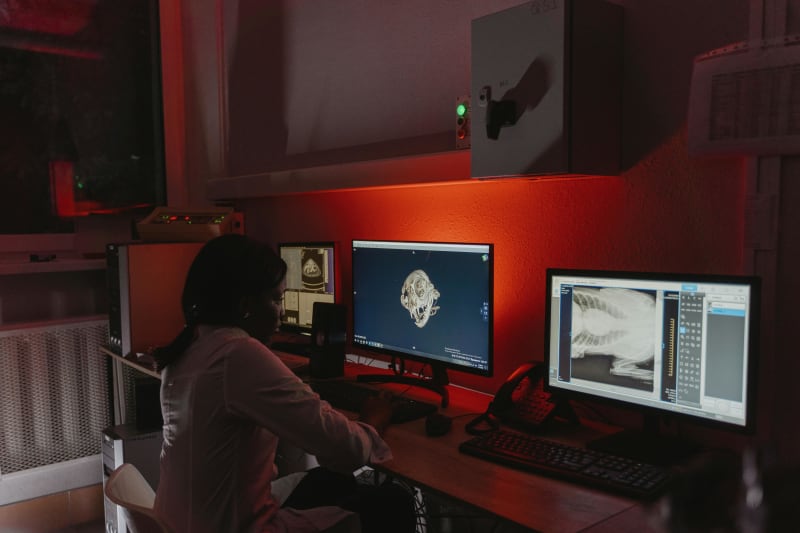
The result is predictable. Documentation piles up. Vets write notes during lunch, after hours, and on weekends. A 2025 FVE report found that 64% of veterinarians say their administrative workload has doubled in recent years, and over half of that admin work goes unpaid. One in three veterinarians now works more than 50 hours per week.
And the profession is already short-staffed. Mars Veterinary Health projects a 15,000-veterinarian deficit in the U.S. by 2030. The 3,200 new graduates each year aren't enough to replace the 30% of veterinary professionals who plan to leave their current positions (AAHA, 2023).
What Are SOAP Notes and Why Do They Take So Long?
SOAP is the standard documentation format in veterinary medicine. It stands for Subjective (the owner's description of symptoms and history), Objective (the vet's physical exam findings, lab results, and diagnostic data), Assessment (the diagnosis or differential diagnoses), and Plan (the treatment protocol, medications, follow-up schedule).
For a routine wellness visit, a complete SOAP note takes 5 to 10 minutes to write properly. For a complex case with multiple differentials, diagnostic imaging, and a detailed treatment plan, it can take 15 to 20 minutes. Multiply that across 15 to 30 patients per day, and documentation alone consumes 1.5 to 3 hours of a veterinarian's time, most of it after the last patient leaves.
The quality of notes varies wildly under time pressure. A rushed vet might write "BAR, exam WNL, vaccines given" for a visit that actually involved a 10-minute discussion about a skin condition the owner mentioned at the end. When that patient comes back in six months and a different vet sees them, the record offers nothing useful.
If documentation is costing your clinic hours of overtime every week, VetVoice automates SOAP notes, treatment plans, and client communications for veterinary practices at $299.
How AI Handles SOAP Notes in Veterinary Clinics
AI veterinary scribes work by recording or transcribing the appointment in real time, then extracting clinical details from the conversation to generate a structured SOAP note. The veterinarian speaks naturally during the exam, and the tool produces a complete record within minutes.
Here's the typical workflow:
- The vet starts a recording at the beginning of the appointment (phone, tablet, or desktop app).
- The AI transcribes the conversation between the vet, the tech, and the pet owner.
- It generates a structured SOAP note using the clinic's preferred template, pulling subjective history from the owner's comments and objective findings from the vet's verbal exam.
- The vet reviews and edits the note, typically in under a minute for routine visits.
- The finalized note transfers to the PIMS (Practice Information Management System) via integration or copy-paste.
The time savings are significant. Scribenote reports saving veterinarians an average of 40 hours per month and has automated over 1.5 million medical records since launch. VetRec claims 2+ hours saved daily per vet. Green Acres Animal Hospital reported regaining more than 2 hours per day after adopting CoVet, with a 6x return on investment.
What makes these tools different from generic transcription is the veterinary-specific training. They understand medical terminology, breed-specific conditions, and common exam protocols. Scribenote, for example, lets clinics set customizable defaults: a body condition score of 4/9 when not discussed, or predefined normal values when the vet says "looks good."
What AI Veterinary Scribe Tools Cost in 2026
The market has expanded fast. A 2024 Digitail-AAHA survey found that 83.8% of veterinary professionals are familiar with AI tools, and 39.2% have already tried them in practice. Here's what the leading tools charge:
| Tool | Price | Key Feature |
|---|---|---|
| CoVet | Free to $99/month | AI copilot with 40+ specialty templates, history summaries |
| Scribenote | $79/month (Pro) | 1.5M+ records generated, a16z-backed, free tier available |
| VetRec | $125-150/month per vet | Enterprise-grade, SOC 2 certified, support staff included free |
| ScribbleVet | Varies | Dental charting, radiograph support |
| ScribVet | Varies | Simple transcription, small practice focus |
For context, the median U.S. veterinarian salary is $125,510 per year, or roughly $57 per hour (BLS, 2024). If an AI scribe saves 1.5 hours per day, that's $85 in recovered productive time daily, or about $1,700 per month per veterinarian. Even VetRec at $150/month pays for itself within the first two days of each month.
Running a multi-vet practice? VetVoice handles SOAP notes, treatment plans, and client follow-ups across your entire team for $299.
AI Treatment Plans: From Inconsistent to Standardized
Treatment plan creation is another documentation bottleneck. Every condition requires a written plan that includes medications, dosages, monitoring schedule, dietary recommendations, and follow-up timing. In busy clinics, treatment plans vary from vet to vet, which creates inconsistency in patient care and confusion for pet owners who see different doctors across visits.
AI tools address this by generating standardized treatment plans based on the diagnosis, the patient's history, and the clinic's protocols. The vet reviews and adjusts rather than building from scratch every time.
The accuracy matters for compliance. A 2024 study from the AAHA found that adherence to veterinary treatment recommendations sits at just 48% for heartworm prevention and 35% for dental prophylaxis. Over 80% of non-compliance comes from confusion rather than cost (AAHA). When pet owners receive a clear, detailed, written treatment plan, they're significantly more likely to follow through.
Client Communication: The Revenue Leak Most Clinics Ignore
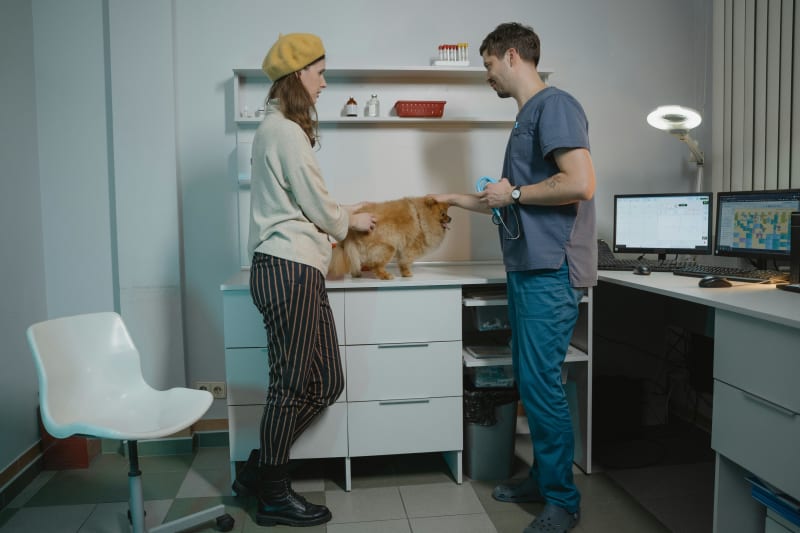
Client communication directly impacts both patient outcomes and practice revenue. IDEXX's 2023 Veterinary Industry Benchmark Report found that practices offering mobile apps saw a 22% increase in client engagement. A separate study found that a 10% increase in client retention can boost veterinary practice revenue by up to 25%.
But most clinics struggle to keep up. Post-visit follow-ups, discharge instructions, appointment reminders, prescription refill notifications, and wellness recall messages all require staff time that's already stretched thin. Veterinary practices now spend an average of 1.4 hours of daily staff time just handling third-party prescription approval requests (Covetrus).
AI automates the communication that matters most:
- Discharge summaries generated from the appointment notes, written in plain language the pet owner can actually understand
- Post-visit follow-ups sent automatically at clinically appropriate intervals
- Appointment reminders and recall messages for overdue vaccines, dental cleanings, and annual exams
- Prescription refill notifications before medications run out
The 2021 AVMA Pet Owner Survey found that the most loyal veterinary clients are those who find the team friendly and communicative. The AVMA's Language of Veterinary Care research goes further: practices "can influence clients' perceptions simply by changing how we talk about veterinary care." AI doesn't replace the human warmth of a good veterinary team, but it makes sure the written communication happens consistently, on time, and without eating into clinical hours.
Where AI Falls Short in Veterinary Practice
AI veterinary tools handle documentation and routine communication well. They don't replace clinical judgment, and they shouldn't be treated as if they do.
Complex cases need human review. A SOAP note for a straightforward vaccine visit is easy for AI to get right. A note for a patient presenting with vague symptoms, multiple comorbidities, and a complicated medication history requires careful veterinarian review. The AI gives you a starting draft. The clinical thinking still has to come from you.
PIMS integration varies. Some tools integrate directly with popular practice management systems. Others require copying and pasting notes between platforms. Before committing to a tool, verify that it works with your existing software.
Privacy and data security matter. Veterinary medical records contain client personal information. Tools like VetRec are SOC 2 Type I certified and HIPAA-compliant, but not all AI scribes meet the same standard. Ask about data encryption, storage policies, and whether your data is used to train AI models.
AI can misinterpret. If a pet owner says "he's been off his food" and the vet responds "that's not uncommon after vaccination," the AI might record the food avoidance as a presenting complaint rather than an expected side effect. Context-dependent interpretation still requires human oversight.
How to Evaluate AI Tools for Your Clinic
Before adopting any AI veterinary tool, run through these questions:
- Does it integrate with your PIMS? Direct integration saves time. Copy-paste workflows add friction.
- Can you customize templates? Every clinic documents differently. Preset templates without customization will frustrate your team.
- What's the real cost per vet? Factor in per-user pricing, add-on fees for integrations, and any usage caps.
- Does it support your specialties? General practice templates won't cover exotics, equine, or emergency medicine. Check whether the tool offers specialty-specific options.
- How does it handle data? Encryption standards, storage location, and training data policies should be transparent.
- Is there a free trial? Every major tool offers one. Test it with real appointments before committing.
The AI veterinary market reached $381 million in 2025 and is growing at more than 20% annually (Grand View Research). The tools are maturing fast, and the clinics adopting them are recovering hours of documentation time that goes directly back into patient care, or back into their veterinarians' personal lives, which might matter even more.
Looking for ways to automate other parts of your business? Automiva builds AI tools that help small businesses save time across operations, client management, and documentation.