AI for Logistics: Shipment Tracking + Customer Updates + Delivery Automation
Automate shipment updates, delivery notifications, and customer support for logistics companies. Reduce support inquiries by 60% with proactive communication.
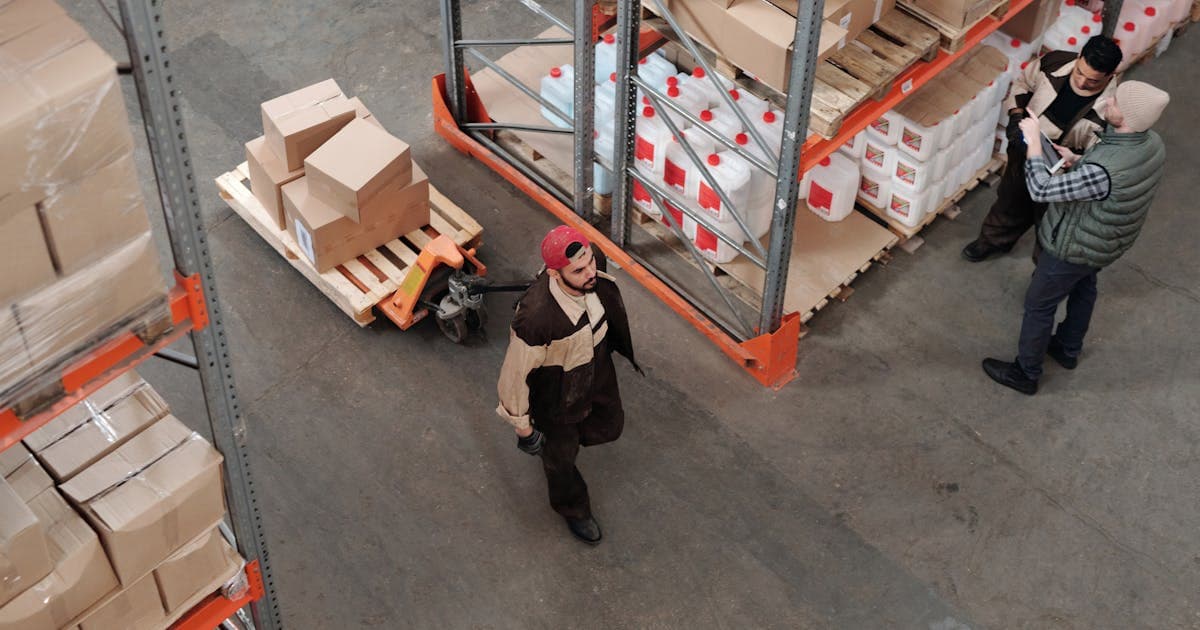
Without Automation
- Customers constantly asking 'Where's my package?'
- Manual shipment status updates
- High volume of repetitive support inquiries
- Delivery exception handling
- Paper-heavy documentation processes
- Driver communication overhead
With Automiva
- Proactive shipment status notifications
- AI chatbot for tracking inquiries
- Automated delivery exception alerts
- Digital document processing
- Driver communication automation
- Customer satisfaction surveys
What We Automate for Logistics & Delivery Companies
Why Logistics Companies Need Automation in 2026
"Where's my package?" is the most expensive question in logistics. Every tracking inquiry costs time and money. Customer service teams are buried in repetitive questions while actual problems wait.
The solution isn't more staff. It's proactive communication that answers questions before they're asked. When customers know exactly where their shipment is, they don't call. When they're notified about delays before they notice, they stay satisfied.
Automation transforms logistics communication from reactive to proactive, reducing support volume while improving customer experience.
Proactive Shipment Notifications
Customers want to know shipment status. Traditionally, they had to check tracking websites or call. This creates work for everyone.
Automated notifications keep customers informed automatically:
Shipment created. When an order ships, customers receive notification with tracking number and estimated delivery. They know it's on the way.
In transit updates. At major checkpoints, updates go out. Departed origin facility. Arrived at regional hub. Out for delivery. Customers see progress without checking.
Delivery window refinement. As delivery approaches, narrow the window. "Your package will arrive between 2pm and 4pm today." Precise estimates increase satisfaction.
Delivered confirmation. When delivery is confirmed, immediate notification. Include photo proof if available. No question about whether it arrived.
Recipient-specific options. Different customers want different communication levels. Some want every update. Others want only delivery confirmation. Let them choose.
Delivery Exception Management
Things go wrong. Weather delays shipments. Addresses are incorrect. Packages get damaged. How you handle exceptions determines customer satisfaction.
Automated exception handling manages problems proactively:
Immediate notification. When a delay or issue is detected, customers learn immediately. Not when they check tracking hours later. Immediately.
Clear explanation. What happened and why. "Your shipment is delayed due to weather conditions in the Midwest. New estimated delivery: Thursday."
New expectations. Revised delivery estimates based on the actual situation. No vague "delayed" status without explanation.
Resolution options. Where possible, offer choices. "Would you like us to deliver to a pickup location, or wait for home delivery?"
Customer acknowledgment. Confirmation that the customer received and understood the update. Flag unacknowledged exceptions for follow-up.
Customer Support That Scales
Support inquiries grow with shipping volume. Without automation, you need more staff for more shipments. That's not scalable.
Automated support handles volume:
Tracking chatbot. Customers enter tracking numbers and get instant status. No wait. No human needed. 90% of tracking questions resolved automatically.
Common question handling. Delivery windows, service areas, rates, policies. All answered instantly by chatbot.
Smart escalation. Questions the bot can't answer get routed to human agents with full context. The customer doesn't repeat themselves.
After-hours support. Chatbots work 24/7. Customers in different time zones get service when they need it.
Proactive issue resolution. If the system detects a problem the customer hasn't reported, it can reach out proactively with solutions.
Driver and Fleet Communication
Internal communication is as important as customer communication. Drivers need updates. Dispatchers need status. Everyone needs to stay coordinated.
Automated fleet communication keeps operations smooth:
Route updates. When routes change, drivers receive notification immediately. New pickups, changed delivery order, traffic rerouting.
Pickup confirmations. When pickups are scheduled, automatic confirmation to drivers with address, time window, and special instructions.
Status collection. Drivers can update status via simple responses. "Delivered" "Attempted" "Exception." Status flows back to the system automatically.
Document delivery. Bills of lading, delivery receipts, and other documents sent to drivers automatically.
Shift notifications. Schedule changes, coverage needs, and updates communicated automatically.
Document Automation
Logistics involves paperwork. Bills of lading, proof of delivery, customs documents, invoices. Manual processing is slow and error-prone.
Automated document handling speeds operations:
Digital BOL generation. Bills of lading generated automatically from shipment data. No manual form filling.
Proof of delivery capture. Drivers capture signatures and photos via mobile. Data flows to the system immediately.
Invoice generation. Invoices created automatically based on shipment data and rates. Sent to customers without manual processing.
Customs documentation. For international shipments, required documents generated from shipment details.
Document distribution. Right documents to right parties automatically. Customers, carriers, customs, accounting.
Integration With Logistics Technology
Your automation needs to work with your existing systems. We connect with the platforms logistics companies already use:
Carriers: FedEx, UPS, USPS, DHL, regional carriers via API
TMS platforms: ShipStation, Shippo, EasyPost, project44
Fleet management: Samsara, Verizon Connect, Geotab
Warehouse: ShipBob, Deliverr, 3PL WMS systems
Customer service: Zendesk, Freshdesk, Intercom
Data flows between systems automatically. A shipment created in your TMS triggers customer notification. A delivery exception from the carrier triggers customer alert. Everything stays synchronized.
Results Logistics Companies See With Automation
Numbers from logistics companies using our automation:
- 60% reduction in support inquiries
- 90% of tracking questions auto-resolved
- 50% faster exception handling
- Higher customer satisfaction scores
- Lower cost per shipment for support
- Better driver productivity from streamlined communication
Beyond the metrics, operations teams report less firefighting, more time for strategic improvements, and a scalable operation that handles growth.
Getting Started
If your team is buried in "where's my package" calls, or exceptions create customer service crises, automation can help.
We start with a consultation to understand your current systems, shipping volume, and communication gaps. Then we build automation specific to how your operation runs. Most logistics companies are fully operational within 2-3 weeks.
Ready to transform customer communication and reduce support burden? Schedule your consultation to see how logistics automation works for companies like yours.
FAQ: AI Automation for Logistics & Delivery Companies
How does proactive communication reduce support inquiries?
Can customers track shipments via chatbot?
How do you handle delivery exceptions?
Does this work with multiple carriers?
Can automation handle delivery scheduling?
How does proof of delivery automation work?
Can I automate rate quotes?
How long does setup take for a logistics company?
Related Logistics & Delivery Companies Resources
ai for ecommerce
Automate abandoned cart recovery, customer win-back campaigns, and order management for ecommerce businesses. Recover 15% of abandoned carts with targeted sequences.
Learn moreIntegrationshipment tracking automation
Expert Google Sheets automation services. Connect spreadsheets to your business tools and automate data workflows.
Learn moreIntegrationlogistics workflow automation
Expert Make.com (formerly Integromat) automation services. Build powerful scenarios that connect your business tools.
Learn moreWorkflowdelivery reporting automation
Automatically pull data from Google Sheets, generate formatted reports, and email them to stakeholders every week.
Learn moreAutomationlogistics operations automation
Automate operational processes like inventory, logistics, and vendor management. Scale operations without scaling headcount.
Learn moreReady to Automate Your Logistics & Delivery Companies Business?
Join hundreds of logistics & delivery companies businesses saving 20+ hours per week with AI automation.
Schedule a Free Consultation